

Searching for a restaurant to rent can feel like hunting for a needle in a haystack, but it doesn’t have to be a culinary nightmare. Whether you’re a seasoned chef dreaming of your own eatery or an ambitious entrepreneur ready to spice up the local food scene, the right space can turn that dream into reality.
Overview of Restaurants for Rent
Finding a restaurant for rent involves several critical factors. Location plays a significant role; high foot traffic areas often attract more customers. Rent terms vary greatly, impacting overall costs and potential profitability. Evaluating lease agreements ensures understanding of responsibilities and limitations tied to the property.
Size affects both ambiance and capacity. A smaller space might be suitable for a café, while a larger venue accommodates dining experiences or events. Facilities also differ; commercial kitchens, seating arrangements, and storage areas influence operational efficiency.
Market research helps identify competitive pricing for different areas. Understanding local demographics can guide menu development and marketing strategies. Engaging with real estate agents who specialize in commercial properties offers access to exclusive listings and expert advice.
Utilizing online platforms provides real-time information on available spaces. Listings often include high-quality images, floor plans, and rental terms. Networking within culinary communities can reveal hidden opportunities not listed publicly.
Considering a restaurant that’s fully furnished can expedite startup processes. Equipment costs often exceed initial expectations; well-equipped spaces save money over time. Additional amenities, like parking and outdoor seating, enhance a restaurant’s appeal.
Leasing a restaurant location combines opportunity and responsibility. Careful planning and thorough research ensure each decision aligns with business goals. Each potential space should align with the desired concept, setting the foundation for a successful venture.
Factors to Consider When Renting a Restaurant
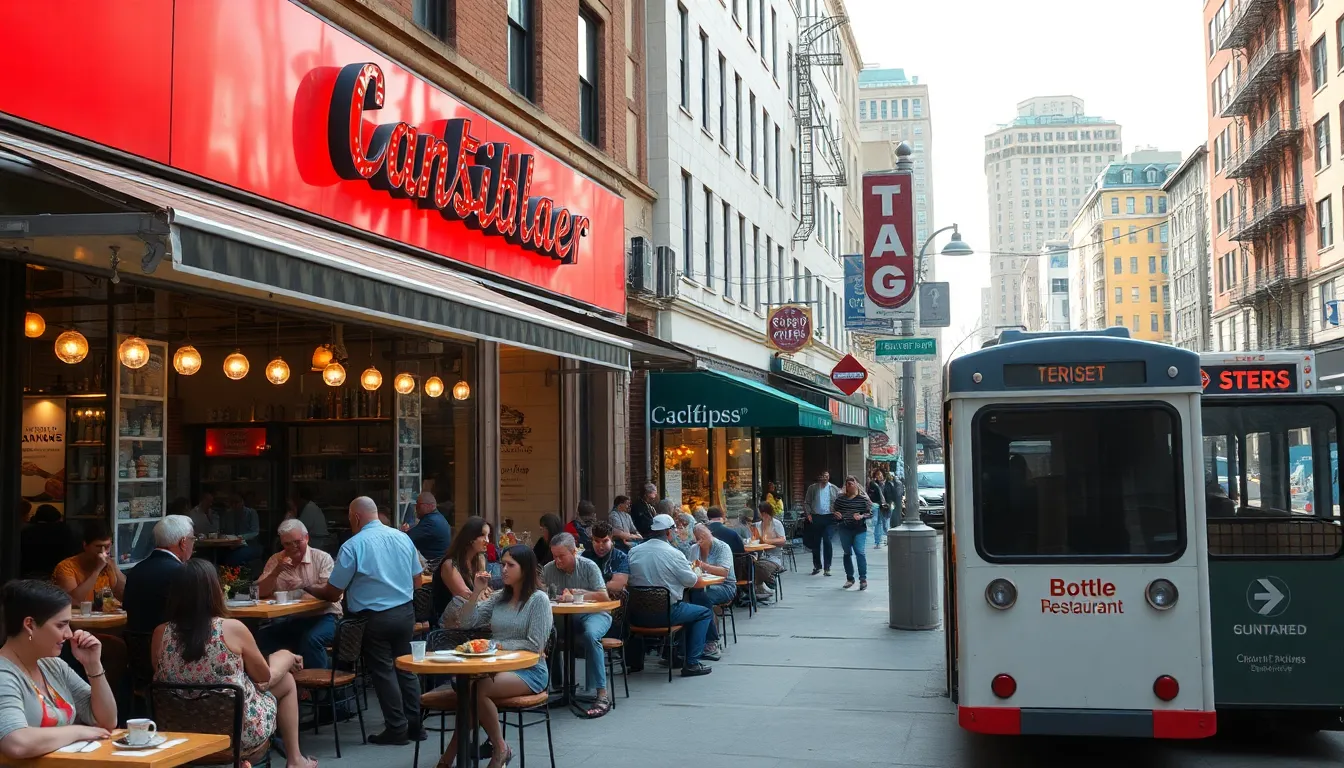
Renting a restaurant requires careful consideration of multiple factors, each influencing the overall success of the venture.
Location and Accessibility
Location plays a pivotal role in attracting customers. High foot traffic areas, such as shopping districts or busy streets, can boost visibility. Accessibility for both patrons and staff proves essential; consider proximity to public transportation and parking availability. Locations near complementary businesses might drive additional traffic. Being in a vibrant neighborhood can enhance visibility and engagement. Ensuring the restaurant is easy to access fosters a welcoming environment, encouraging repeat visits.
Size and Layout
Size significantly affects both ambiance and functionality. Smaller spaces lend themselves well to intimate cafés or quick-service restaurants, while larger venues accommodate dining experiences or events. The layout should facilitate efficient workflow and an inviting customer experience. Consider safety regulations, as well as zoning laws, which dictate how space can be used. Layout choices may affect customer comfort and staff efficiency. Flexibility in space can allow for seasonal adaptations or menu changes.
Lease Terms and Conditions
Understanding lease terms is crucial. Duration of the lease can impact business plans; longer leases provide stability, while short-term leases can offer flexibility. Rent escalation clauses and responsibilities for maintenance should be thoroughly examined. It’s important to clarify conditions for renewal or termination. Negotiating favorable terms can lead to significant financial benefits. Seeking legal advice may provide clarity on obligations and potential risks, ensuring a smoother leasing process.
Popular Areas for Restaurant Rentals
Finding the right area to rent a restaurant significantly affects success. Various locations present unique opportunities for aspiring restaurateurs.
Urban Centers
Urban centers attract high foot traffic, making them prime spots for restaurant rentals. Cities often feature diverse demographics, catering to various culinary preferences. Key neighborhoods within these areas offer visibility and accessibility for customers. Restaurant spaces in urban regions usually provide excellent infrastructure, benefiting delivery service and dine-in operations. Venues in bustling districts can capitalize on local events and business crowds, boosting customer flow. Networking with local business associations enhances visibility and collaboration opportunities. The competitive market often demands innovative concepts and exceptional service to stand out.
Suburban Locations
Suburban settings present a different yet lucrative environment for restaurant rentals. These areas often benefit from a loyal customer base, including families seeking dining experiences outside the home. Space availability usually offers larger options, providing flexibility for unique layouts and outdoor seating. Access to ample parking simplifies visits for patrons. Suburban locations typically feature lower rental costs, allowing for reduced overhead expenses and potentially higher profit margins. Many suburban communities prioritize supporting local businesses, leading to customer loyalty. Engaging in local events or farmer’s markets can foster connections and increase awareness of restaurant offerings.
Benefits of Renting a Restaurant
Renting a restaurant space offers multiple advantages for aspiring restaurateurs. Flexibility stands out as a major benefit. Lease agreements often allow for various terms, accommodating short-term ventures or long-term commitments. Cost efficiency also plays a role; renting typically demands lower upfront capital than purchasing property, making it accessible for many entrepreneurs.
Variety in options enhances the appeal of renting. Different styles and sizes of restaurant spaces exist, ranging from quaint cafés to bustling bistros, so potential owners can choose according to their vision. Established infrastructure can simplify the startup process, as many rental properties include essential equipment and utilities.
Strategic location directly impacts foot traffic and customer exposure. Opting for a rented space in a vibrant area can attract a steady stream of patrons, boosting sales. Networking opportunities expand with rental, encouraging connections with nearby businesses and local communities that may foster collaboration and support.
Renting also allows for experimentation in a dynamic market. Entrepreneurs can test concepts without significant commitment, adjusting their business strategies based on customer feedback and trends. This responsiveness can lead to long-term success.
Access to amenities represents another advantage. Many rental properties offer features such as outdoor seating and parking, enhancing customer experience and drawing in more visitors. Overall, the combination of flexibility, cost-effectiveness, variety, and strategic advantages positions renting as an appealing option for those entering the bustling restaurant industry.
Finding the right restaurant for rent can be a transformative step for aspiring chefs and entrepreneurs. With careful planning and thorough research it’s possible to navigate the complexities of this process effectively. By focusing on essential factors like location layout and market dynamics individuals can position themselves for success.
Renting offers unique advantages such as flexibility and lower initial costs which can be crucial for new ventures. Embracing the opportunities presented by various rental options allows entrepreneurs to create dining experiences that resonate with their target audience. With the right approach and resources the dream of owning a restaurant can become a reality.