

Understanding ovulation and conception is essential for anyone looking to start a family. Ovulation marks the moment when an ovary releases an egg, creating a window of opportunity for fertilization. This natural process is influenced by various factors, including hormonal changes and overall health.
For those trying to conceive, recognizing the signs of ovulation can significantly enhance their chances of success. Knowledge about the menstrual cycle and its phases can empower individuals to time their efforts effectively. This article delves into the intricacies of ovulation, the role it plays in conception, and practical tips for maximizing fertility.
Understanding Ovulation and Conception
Ovulation signifies the release of an egg from the ovary and marks a critical point for conception. An egg’s lifespan post-ovulation spans approximately 12 to 24 hours, presenting a limited window for fertilization. During this time, sperm can survive within the female reproductive tract for up to five days, allowing conception to occur if intercourse happens within this timeframe.
Hormonal changes drive the ovulation process. Estrogen levels peak just before ovulation, triggering a surge of luteinizing hormone, which induces the egg’s release. Recognizing ovulation signs, such as changes in cervical mucus and mild discomfort, enhances the ability to identify fertile days.
The menstrual cycle averages 28 days but can range from 21 to 35 days in adults. Key phases include the follicular phase, ovulation, and luteal phase. Tracking these phases can significantly improve understanding of fertility patterns.
Several factors influence ovulation, including age, health, and lifestyle choices. Regular exercise and a balanced diet can positively affect hormonal balance, while stress and significant weight fluctuations may disrupt the cycle.
Implementing practical tips can optimize chances of conception. Monitoring ovulation through basal body temperature or ovulation predictor kits provides reliable data. Couples can also engage in regular intercourse during the fertile window—typically the five days leading to ovulation and the day of ovulation itself—to maximize opportunities for sperm-egg meeting.
The Ovulation Process
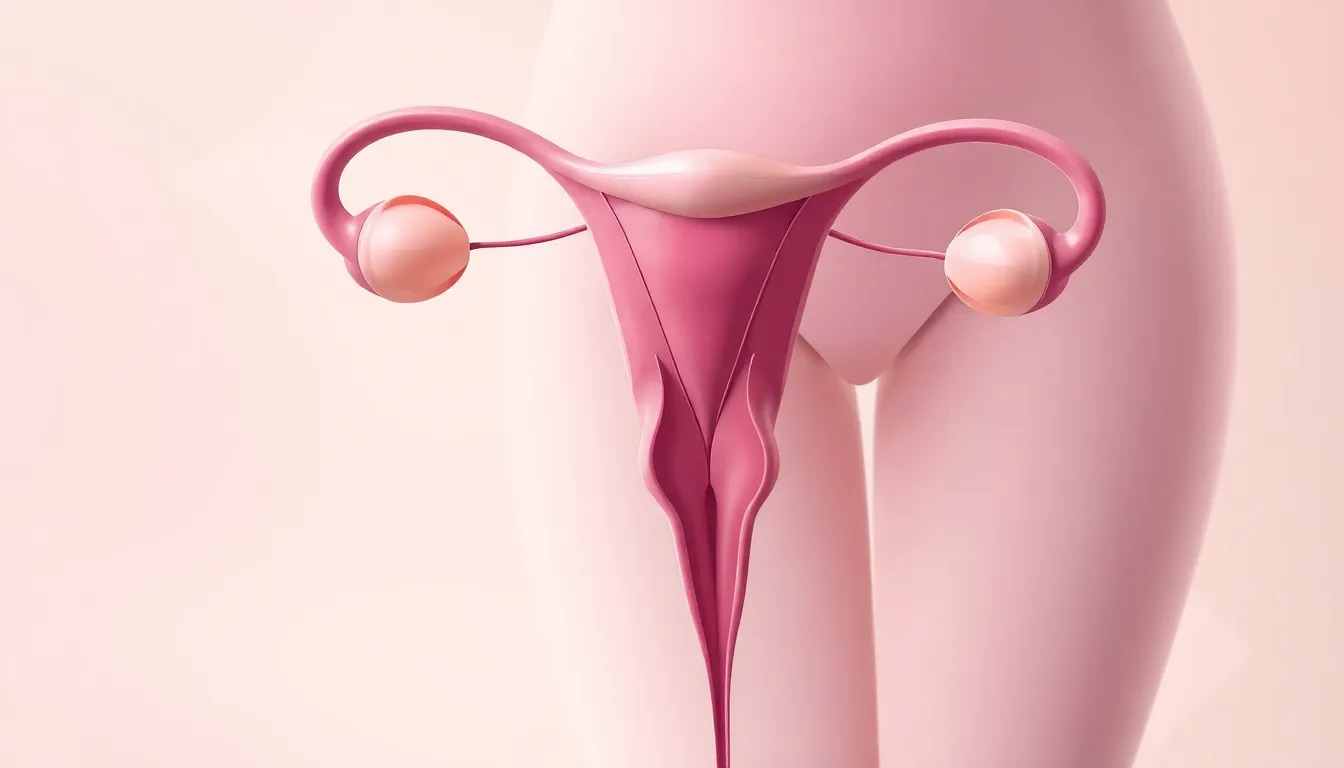
The ovulation process involves several key steps influenced by hormonal changes and specific timing within the menstrual cycle. Understanding these aspects enhances the chances of conception.
Hormonal Changes
Hormonal changes drive the ovulation process. The hypothalamus releases gonadotropin-releasing hormone, prompting the pituitary gland to produce follicle-stimulating hormone (FSH) and luteinizing hormone (LH). FSH stimulates ovarian follicles to develop, while LH triggers the release of the mature egg. Estrogen levels peak just prior to ovulation, preparing the uterine lining for potential implantation. This intricate hormonal interplay ensures that ovulation occurs effectively, making it a crucial phase for conception.
Timing of Ovulation
Timing of ovulation plays a significant role in the likelihood of conception. Ovulation typically occurs around the midpoint of the menstrual cycle, approximately 14 days before the start of the next period. However, cycle lengths vary, averaging 28 days but ranging from 21 to 35 days. Recognizing the fertile window, which spans five days before ovulation to the day of ovulation, is essential. Engaging in intercourse during this timeframe increases the chances of sperm meeting the egg. Accurate tracking methods, such as calendar calculations and ovulation predictor kits, further assist in pinpointing ovulation timing.
Factors Affecting Ovulation
Several factors influence ovulation, impacting the chances of conception. Understanding these factors helps individuals optimize fertility.
Age and Health
Age significantly affects ovulation. Women typically experience regular ovulation until the late 20s or early 30s, with a decline in fertility rates afterward. By age 35, the quality and quantity of eggs decrease, leading to more irregular cycles. Health conditions such as polycystic ovary syndrome (PCOS), thyroid disorders, and endometriosis disrupt normal hormonal function, affecting ovulation. Regular health screenings and maintaining a balanced reproductive health status support fertility.
Lifestyle Choices
Lifestyle choices play a crucial role in regulating ovulation. Regular exercise enhances hormonal balance and maintains a healthy weight, while obesity can lead to disrupted menstrual cycles. A balanced diet rich in fruits, vegetables, whole grains, and healthy fats provides essential nutrients. Additionally, reducing stress through relaxation techniques supports hormonal regulation. Smoking cessation and limiting alcohol consumption are vital, as these habits can hinder ovulation and overall reproductive health.
The Role of Sperm in Conception
Sperm plays a vital role in conception, as it fertilizes the egg to initiate pregnancy. Understanding the lifecycle of sperm and the conditions that enhance their effectiveness can improve the chances of successful conception.
Sperm Lifecycle
Sperm begins its lifecycle in the testes, where spermatogenesis produces millions of sperm daily. The process takes about 64 to 74 days. Upon maturation, sperm travel through the epididymis, gaining motility and the ability to fertilize an egg. Once mature, sperm enter the semen during ejaculation and can survive within the female reproductive tract for up to five days, depending on the environmental conditions.
Sperm undergo several stages in their lifecycle:
- Production: Sperm production occurs in the testes, with over 1,500 sperm produced per second.
- Maturation: Sperm matures in the epididymis, becoming capable of movement and fertilization.
- Ejaculation: Upon ejaculation, sperm mix with seminal fluid, forming semen, which aids in sperm mobility.
- Survival: Sperm can survive in favorable conditions within the female reproductive tract for up to five days, providing a window for fertilization when ovulation occurs.
Optimal Conditions for Conception
Specific conditions enhance the likelihood of sperm meeting the egg for successful fertilization.
Factors promoting optimal conditions include:
- Timing: Engaging in intercourse during the fertile window maximizes chances, with fertile days spanning five days before ovulation and the day of ovulation.
- Health: Overall reproductive health significantly influences sperm quality. A balanced diet, regular exercise, and maintaining a healthy weight support hormone regulation and optimize sperm production.
- Environmental Factors: Avoiding exposure to toxins, such as pesticides and heavy metals, helps protect sperm health.
- Lubricants: Using fertility-friendly lubricants can facilitate sperm mobility, increasing the chances of reaching the egg.
Understanding the sperm lifecycle and creating optimal conditions can significantly enhance the chances of conception.
Common Challenges in Ovulation and Conception
Challenges in ovulation and conception can significantly impact an individual’s ability to conceive. Understanding these obstacles helps individuals navigate their fertility journey more effectively.
Irregular Ovulation
Irregular ovulation presents a significant challenge for many individuals. Various factors contribute to irregular ovulation, including hormonal imbalances, extreme weight fluctuations, and medical conditions like polycystic ovary syndrome (PCOS). These conditions can disrupt the typical menstrual cycle, leading to unpredictable ovulation patterns. Women experiencing irregular cycles often find it difficult to track their fertile windows, which complicates timing for conception. Strategies to manage irregular ovulation include maintaining a healthy lifestyle, regularly monitoring menstrual cycles, and consulting healthcare professionals for potential treatments.
Infertility Issues
Infertility represents a complex challenge that affects many couples. Defined as the inability to conceive after 12 months of unprotected intercourse, infertility can stem from various causes in both partners. For women, conditions like endometriosis, uterine abnormalities, and hormonal disorders can hinder conception. For men, factors such as low sperm count, poor sperm motility, and structural issues can impede fertility. Identifying specific infertility issues often requires comprehensive evaluations, including semen analysis and hormonal testing. Couples facing infertility should consider professional guidance and explore treatments such as medication, assisted reproductive technologies, or lifestyle changes to enhance their chances of conception.
Understanding ovulation and conception is essential for those aiming to start a family. Recognizing the signs of ovulation and the factors that influence this process can empower individuals to optimize their fertility. By tracking ovulation and maintaining a healthy lifestyle, couples can enhance their chances of conception.
Addressing any irregularities or health concerns with a healthcare professional can further support reproductive health. Ultimately, knowledge and proactive measures play a crucial role in the journey toward parenthood. Embracing these insights can lead to more informed decisions and a greater likelihood of achieving a successful pregnancy.