

Ovulation pain, often referred to as mittelschmerz, affects many women during their menstrual cycle. This sharp or cramp-like discomfort typically occurs mid-cycle, signaling the release of an egg from the ovaries. While it might sound alarming, for most, it’s a normal part of their reproductive health.
Understanding ovulation pain can empower women to better navigate their bodies and reproductive choices. It’s essential to recognize the signs and symptoms, as they can vary widely from person to person. By exploring the causes and remedies for ovulation pain, women can gain valuable insights into their menstrual cycles and overall health.
Understanding Ovulation Pain
Ovulation pain, or mittelschmerz, can affect many women during their menstrual cycles. Recognizing this pain’s characteristics is essential for understanding reproductive health.
What Is Ovulation Pain?
Ovulation pain refers to the discomfort that occurs during ovulation, typically around the middle of the menstrual cycle. This pain may manifest as a sharp or cramp-like sensation in the lower abdomen. The timing coincides with the release of an egg from the ovary, which can last from a few minutes to a couple of days. Women may also experience accompanying symptoms such as bloating, mild nausea, or breast tenderness.
Causes of Ovulation Pain
Ovulation pain arises from several physiological factors:
- Follicular Rupture: The release of an egg causes tension within the follicle, leading to pain when it bursts.
- Hormonal Fluctuations: Rising estrogen levels during ovulation can heighten sensitivity in the ovarian area.
- Inflammation: The body’s inflammatory response from ovulation can contribute to discomfort.
- Fluid Release: The release of fluid from the ruptured follicle into the abdominal cavity can irritate surrounding tissues, causing pain.
Understanding these causes helps frame expectations around ovulation pain and informs women of normal physiological responses during their menstrual cycles.
Symptoms of Ovulation Pain
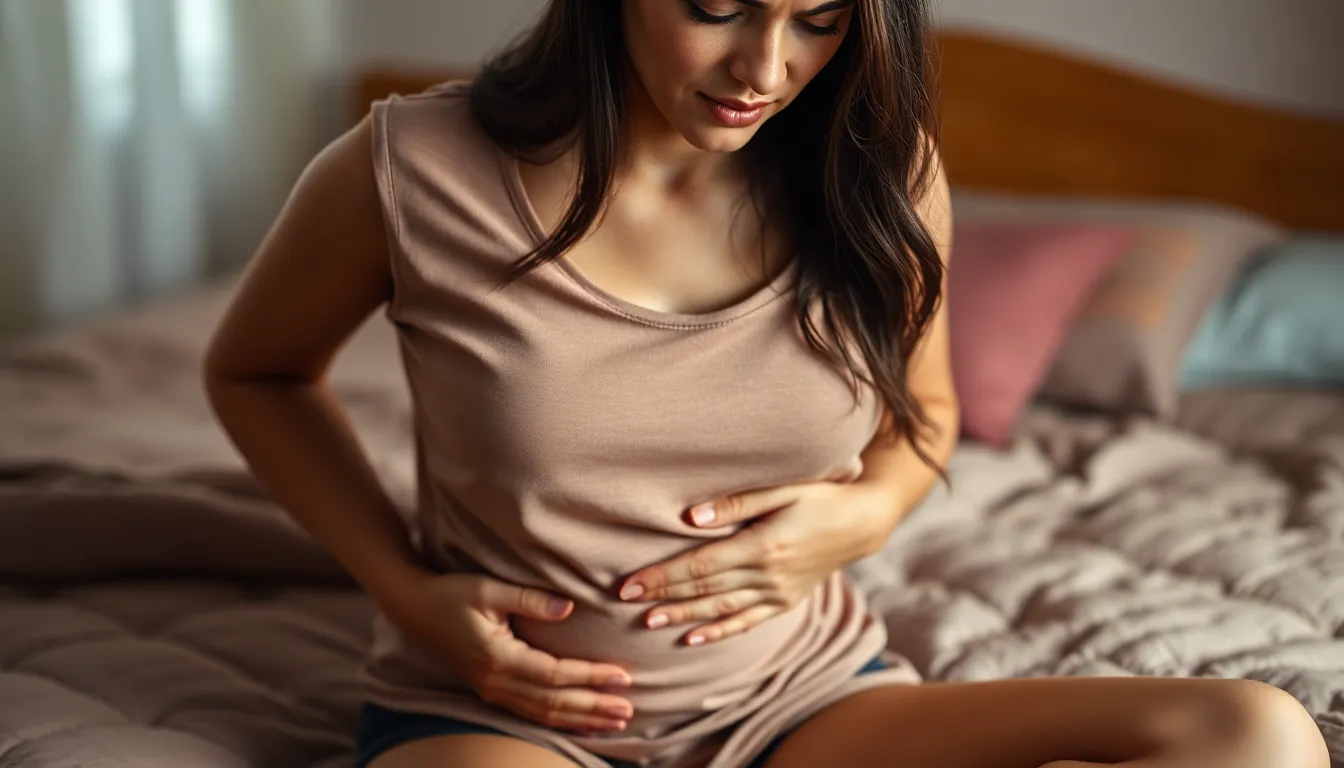
Ovulation pain, or mittelschmerz, features various symptoms that can aid in recognizing this mid-cycle phenomenon. Understanding these signs helps women differentiate ovulation pain from other abdominal discomforts.
Typical Signs
- Pain location: Discomfort is usually felt on one side of the lower abdomen, corresponding to the ovary releasing an egg.
- Pain type: Sensations can range from sharp, stabbing pain to dull, cramp-like feelings.
- Duration: Symptoms typically last from a few minutes to 48 hours.
- Additional symptoms: Women may also experience bloating, mild nausea, or breast tenderness during this period.
Variations in Symptoms
- Intensity: Pain intensity varies from mild to severe, depending on individual pain thresholds and physiological conditions.
- Cycle connection: Pain may differ in each menstrual cycle or from month to month.
- Age factor: Younger women often report more intense side effects compared to those who are older.
- Underlying conditions: Women with conditions like endometriosis may experience heightened pain levels during ovulation.
Diagnosis of Ovulation Pain
Diagnosing ovulation pain requires a thorough assessment of symptoms and potential underlying conditions. Awareness of when to seek medical advice is crucial for effective management.
When to See a Doctor
Consult a doctor if ovulation pain persists beyond a few days or significantly worsens. Seek immediate attention for severe pain that interrupts daily activities or is accompanied by symptoms such as heavy bleeding, fever, or vomiting. Additionally, women with irregular menstrual cycles or a history of reproductive disorders should discuss their symptoms with a healthcare provider to rule out conditions like endometriosis or ovarian cysts.
Diagnostic Tests
Healthcare providers may utilize several diagnostic tests to assess ovulation pain. Tests may include:
- Pelvic Exam – A physical examination to check for tenderness or abnormalities in the reproductive organs.
- Ultrasound – Imaging used to visualize ovaries and detect cysts or other anomalies contributing to pain.
- Blood Tests – Hormonal evaluations to check for conditions affecting ovulation and menstrual cycles.
- Laparoscopy – A minimally invasive surgical procedure used when further investigation of internal organs is necessary, particularly to diagnose endometriosis or pelvic inflammatory disease.
Effective diagnosis allows for tailored treatment strategies and better management of ovulation pain.
Treatment Options for Ovulation Pain
Several treatment options exist for managing ovulation pain, ranging from home remedies to medical interventions. Women may find relief through various methods tailored to their specific symptoms.
Home Remedies
- Heat therapy: Applying a heating pad or hot water bottle to the lower abdomen can reduce discomfort and relax muscles.
- Hydration: Drinking plenty of water helps alleviate bloating and may ease pain associated with ovulation.
- Herbal teas: Consuming herbal teas, such as chamomile or ginger, can provide soothing effects and reduce inflammation.
- Light exercise: Engaging in gentle activities like walking or yoga can improve blood circulation and ease cramping.
- Dietary changes: Incorporating anti-inflammatory foods, such as omega-3-rich fish, can support overall reproductive health and reduce pain instances.
Medical Treatments
- Over-the-counter pain relievers: Nonsteroidal anti-inflammatory drugs (NSAIDs), like ibuprofen or naproxen, effectively alleviate pain and inflammation during ovulation.
- Hormonal contraceptives: Birth control pills can regulate menstrual cycles and suppress ovulation, minimizing the occurrence of ovulation pain.
- Prescription medications: In cases of severe pain, healthcare providers may prescribe stronger pain medications or hormonal therapies.
- Surgery: For women with underlying conditions, such as endometriosis or ovarian cysts, surgical options may address the source of pain.
- Alternative therapies: Acupuncture and physical therapy can provide relief by targeting pain pathways and improving overall reproductive health.
These treatment options allow women to choose the most suitable approach based on their symptoms and overall health.
Understanding ovulation pain is crucial for women navigating their menstrual cycles. Recognizing the signs and symptoms can empower them to manage this common experience effectively. While ovulation pain is typically a normal occurrence, awareness of its potential variations and underlying causes is essential.
Women should feel confident in seeking medical advice if their pain becomes severe or persists. By exploring both home remedies and medical treatments, they can find relief tailored to their individual needs. Embracing this knowledge not only enhances reproductive health but also fosters a deeper connection with their bodies.