
In a world buzzing with distractions, sensory toys are like a breath of fresh air for kids and adults alike. These delightful gadgets don’t just entertain; they engage and stimulate the senses in ways that can transform everyday experiences. Think of them as the Swiss Army knives of playtime—whether it’s squishy, stretchy, or just plain weird, there’s a sensory toy for everyone.
But why should anyone care about these quirky creations? Well, they offer more than just fun. Sensory toys can improve focus, reduce anxiety, and boost creativity. They’re the unsung heroes of learning and development, sneaking in valuable skills while kids think they’re just having a blast. So, let’s dive into the colorful world of sensory toys and discover how they can make a meaningful difference in our lives.
Overview of Sensory Toys
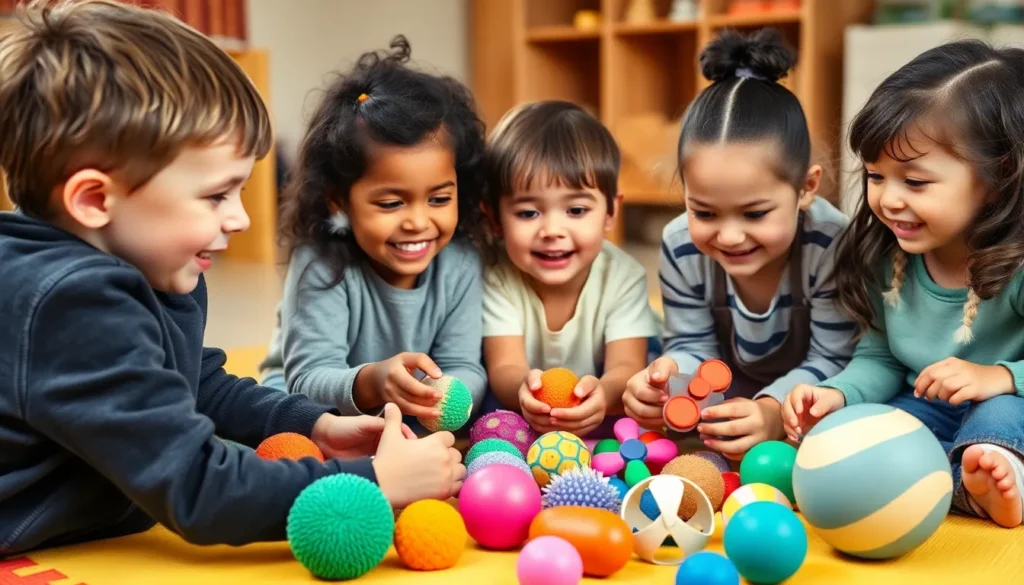
Sensory toys play a crucial role in engaging various senses including sight, sound, touch, and movement. These toys may include textured balls, fidget spinners, and weighted blankets, catering to diverse sensory needs. Designed for individuals of all ages, sensory toys promote interaction and exploration, which benefit cognitive development.
Research shows that sensory play fosters creativity and improves fine motor skills. Engaging with these toys often aids in improving focus and attention span, making them ideal for children with attention disorders. Their calming properties help reduce anxiety levels, providing a soothing experience during stressful situations.
Parents and educators commonly use sensory toys as tools in developmental therapy. Such toys can significantly impact children with autism spectrum disorders or sensory processing issues. Therapists often report enhanced engagement and participation when incorporating sensory toys into activities.
Quality sensory toys offer a range of benefits tailored to individual preferences. For instance, squishy toys might appeal to those seeking tactile stimulation, while sound-making toys attract auditory learners. Incorporating these toys into daily routines enriches playtime, turning simple activities into meaningful learning experiences.
Whether used in the classroom or at home, sensory toys prove to be versatile companions. These toys not only facilitate enjoyable moments but also support vital skills essential for everyday challenges. By fostering an environment filled with sensory exploration, individuals unlock their full potential through play.
Benefits of Sensory Toys
Sensory toys offer numerous advantages, significantly improving experiences and interactions for users. They provide valuable support across various developmental areas.
Enhancing Cognitive Development
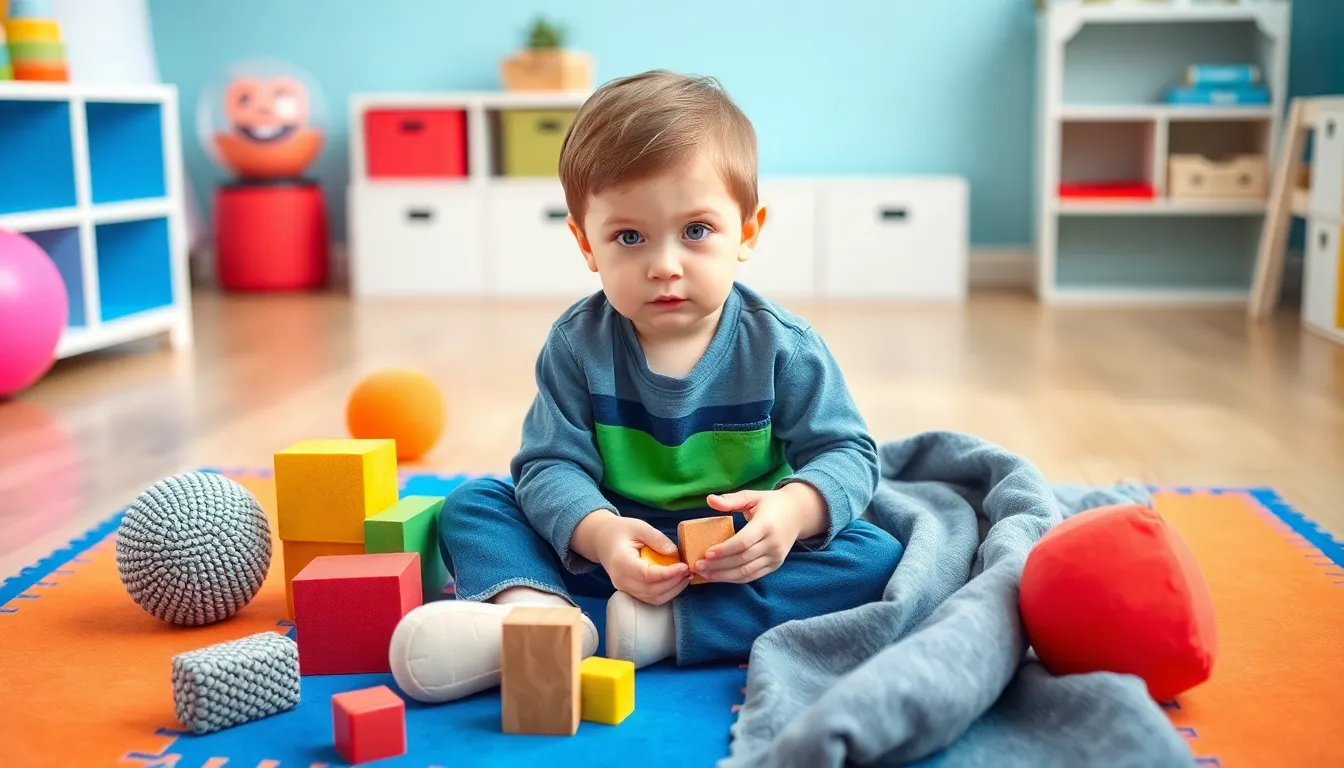
Cognitive development benefits from sensory toys designed for exploration. These tools engage curiosity and promote problem-solving skills. Toys that encourage manipulation, such as textured blocks or shape sorters, stimulate critical thinking. Engaging with colorful objects draws attention, fostering visual and auditory processing. Research shows that active sensory play enhances memory and learning retention. Children with attention disorders particularly find focus through this playful interaction. By exploring different textures and sounds, cognitive pathways strengthen, creating lasting neural connections.
Supporting Emotional Regulation
Emotional regulation improves significantly with the use of sensory toys. These toys help users manage feelings like anxiety or frustration. Weighted blankets and stress balls provide calming pressure, promoting a sense of security. Engaging in rhythmic activities with sensory toys encourages self-soothing. Kids learn to express emotions effectively while manipulating different sensory inputs. Regular interaction with these toys creates a safe environment for emotional exploration. For children on the autism spectrum, sensory toys play a critical role in establishing comfort and reducing sensory overload. Overall, these tools support the development of emotional resilience.
Types of Sensory Toys
Sensory toys come in various forms, catering to different sensory needs. Understanding these types enhances the ability to choose suitable toys for individuals.
Tactile Toys
Tactile toys engage the sense of touch, fostering exploration and sensory development. Textured balls, squishy toys, and sensory mats stimulate the skin and encourage fine motor skills. Many of these toys provide diverse surfaces, offering unique sensations for users. Children with sensory processing issues find these toys especially helpful, as they promote self-regulation through tactile interaction. Options like kinetic sand or fidget toys can also provide calming experiences. These tactile experiences enhance focus while helping users express emotions more effectively.
Visual Toys
Visual toys captivate the sense of sight, sparking curiosity and imagination. Colorful light-up toys, spinning tops, and kaleidoscopes attract attention with vibrant colors and dynamic movements. These toys not only entertain but also encourage cognitive engagement. Users experience visual stimulation, crucial for developing tracking skills and spatial awareness. Children on the autism spectrum often benefit from the visual patterns offered by these toys, as they create opportunities for exploration and learning. Visual toys effectively support creativity and enrich sensory experiences during playtime.
Choosing the Right Sensory Toy
Selecting the appropriate sensory toy enhances engagement and effectiveness. Focus on specific criteria such as age appropriateness and individual needs when making your choice.
Age Appropriateness
Consider age when choosing sensory toys. Toys suitable for babies foster basic sensory exploration. For toddlers, textured balls and shape sorters promote fine motor skills. Preschoolers benefit from toys encouraging imaginative play, such as stretchy putty or sensory bins filled with safe materials. School-age children may thrive on the challenges presented by fidget spinners or building sets. Choosing toys aligned with developmental stages ensures safety and maximizes benefits for various ages, creating enjoyable exploration experiences.
Individual Needs
Recognizing individual preferences plays a crucial role in selecting sensory toys. Each child has unique sensory processing needs. Some children might require calming toys like weighted blankets, while others may favor interactive toys that promote active play, such as tactile squishies. Observing how a child reacts to different textures, sounds, and movements leads to better choices that match their sensory profiles. Tailoring selections according to individual needs increases engagement, facilitating more effective learning and emotional regulation in various settings.
Sensory toys play a vital role in enhancing the well-being and development of individuals across various age groups. By engaging multiple senses they not only provide enjoyment but also serve as essential tools for learning and emotional growth. The benefits extend beyond mere playtime as these toys foster creativity and improve cognitive skills while aiding emotional regulation.
Choosing the right sensory toy tailored to individual needs can significantly enhance a child’s ability to explore and interact with their environment. Parents and educators who incorporate sensory toys into daily routines can create enriching experiences that support both developmental and emotional resilience. Embracing the power of sensory play can transform everyday moments into opportunities for growth and connection.