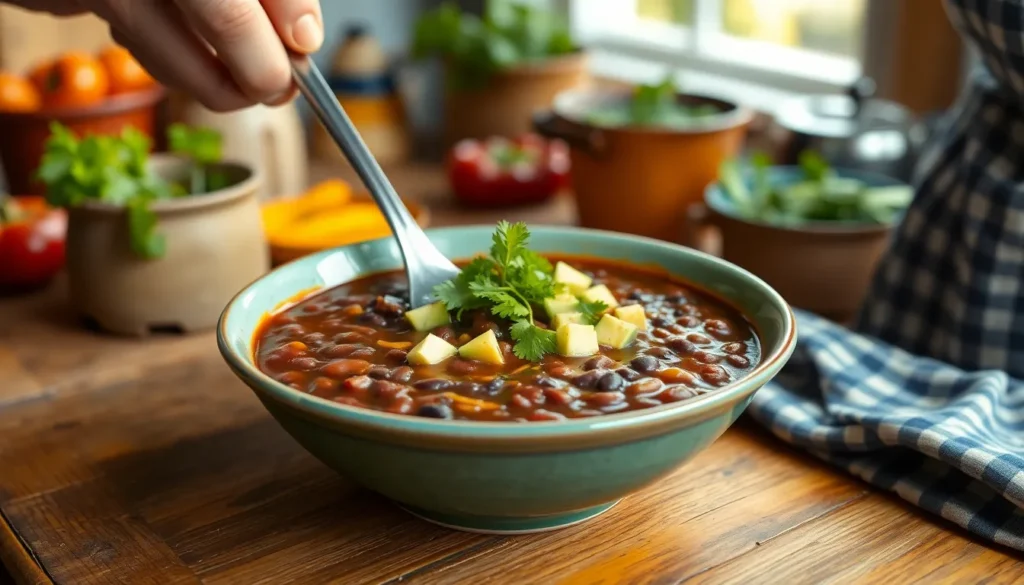

When it comes to superfoods, black beans are like the quiet kid in class who suddenly aces the final exam. Packed with fiber, these little legumes are not just a tasty addition to your meals; they’re a powerhouse for your digestive health. If you’ve ever wondered why grandma insists on serving black bean soup every Sunday, it’s not just for the flavor—it’s for the fiber!
Nutritional Profile of Black Beans
Black beans offer a diverse range of nutrients, making them an excellent choice for health-conscious individuals. Their high fiber content supports digestive health and overall well-being.
Macronutrients Overview
Black beans contain a balanced mix of macronutrients. Each 1-cup serving typically provides about 15 grams of protein, supporting muscle repair and growth. Additionally, they yield approximately 15 grams of fiber, promoting digestive health. Carbohydrates in black beans amount to around 40 grams, providing sustained energy levels. Healthy fats are present in smaller amounts, with roughly 0.9 grams per serving. This macronutrient profile demonstrates why black beans are a staple in various diets.
Micronutrients in Black Beans
Micronutrients add significant value to black beans. These legumes are rich in folate, with one cup containing nearly 256 micrograms, crucial for DNA synthesis and cell division. Iron levels approximate 3.6 milligrams per cup, essential for oxygen transport in the blood. Magnesium, found in about 60 milligrams per serving, aids in muscle and nerve function. Other important micronutrients include potassium, providing around 611 milligrams, which helps regulate fluid balance and blood pressure. This rich array of vitamins and minerals highlights black beans as a nutrient-dense food choice.
Fiber Content in Black Beans
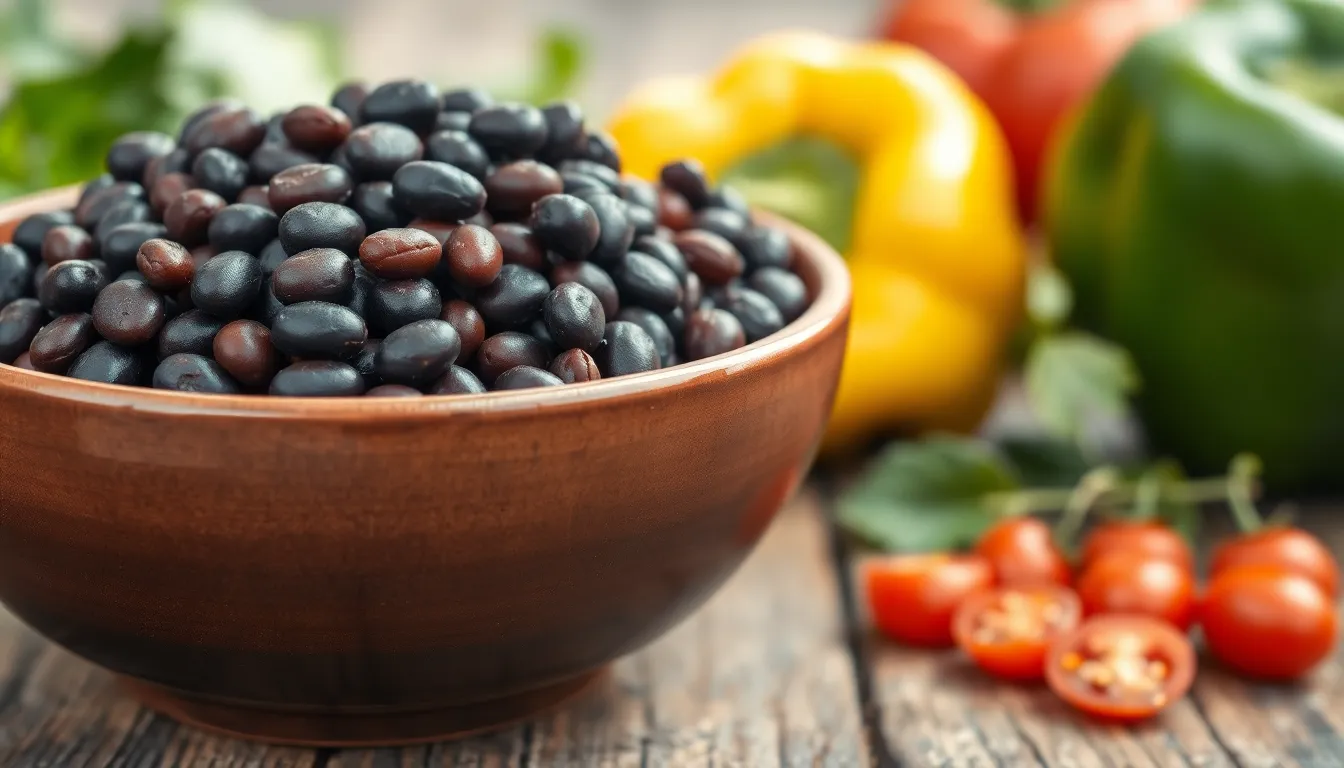
Black beans contain a commendable amount of dietary fiber. Each 1-cup serving provides about 15 grams of fiber, making them a significant source for those looking to increase their fiber intake.
Types of Fiber Present
Black beans primarily contain soluble and insoluble fiber. Soluble fiber helps lower blood cholesterol levels and stabilize blood sugar, while insoluble fiber adds bulk to the digestive system. Both types contribute to overall digestive health and regularity. The diverse fiber types in black beans promote various health benefits, which makes them an excellent choice for nutrition-focused diets.
Health Benefits of Dietary Fiber
Dietary fiber from black beans supports digestive health by preventing constipation and promoting regular bowel movements. It also helps maintain a healthy weight by increasing satiety, reducing overall food intake. Additionally, fiber aids in controlling blood sugar levels and may lower the risk of heart disease. Regular consumption of fiber-rich foods like black beans can lead to improved overall health and a lower risk of chronic diseases.
Comparison with Other Legumes
Black beans stand out among legumes for their high fiber content. Each 1-cup serving contains about 15 grams of dietary fiber. This amount is comparable to other popular legumes such as lentils and chickpeas. Lentils provide around 16 grams of fiber per cup, while chickpeas offer about 12 grams. The substantial fiber content in these legumes contributes to their digestive health benefits.
Fiber Content Comparison
When comparing fiber contents, black beans hold their own. Kidney beans also provide roughly 13 grams of fiber per cup. Both black beans and kidney beans contain a mix of soluble and insoluble fiber, supporting digestive function. The fiber content in these legumes not only promotes regularity but also aids in weight management. Each type of legume presents unique benefits, yet black beans’ fiber contribution is significant and essential for a balanced diet.
Nutritional Advantages
Nutritionally, black beans offer several advantages. They deliver a balanced mix of macronutrients and micronutrients. Folate content in black beans promotes heart health, while potassium levels support muscle function. In contrast to other legumes, black beans are particularly rich in antioxidants. These antioxidants enhance overall health, providing protection against chronic diseases. Each legume enriches the diet in valuable ways, making black beans an excellent food choice for health-conscious individuals.
Cooking and Preparation Methods
Cooking black beans enhances their flavor and texture, making them a versatile ingredient in various dishes. Tacos, soups, and salads benefit from the addition of black beans, offering a nutrient-dense option that elevates meal quality. Incorporating them into recipes adds protein and fiber, contributing to dietary balance.
Ways to Incorporate Black Beans
Black beans fit seamlessly into many meals. They can serve as a filling for burritos, complementing rice and vegetables. Moreover, they make an excellent addition to chili, offering depth and richness. Mixing them into salads adds texture and can boost fiber content significantly. Utilizing black beans in smoothies enhances creaminess while providing nutritional benefits without overpowering other flavors.
Impact on Fiber Retention
Cooking methods impact the fiber retention in black beans. Boiling or steaming maintains their fiber content, while sautéing may result in some nutrient loss. Canned black beans retain most of their fiber, making them a convenient option for recipes. Soaking dried beans before cooking can lead to better digestibility and improved fiber absorption. Consuming black beans promptly after cooking optimizes their fiber benefits, making them a great choice for health-conscious individuals.
Black beans are a powerhouse of nutrition packed with fiber that supports digestive health and overall well-being. Their high fiber content not only aids in digestion but also plays a crucial role in weight management and blood sugar control. As a versatile ingredient they can be easily incorporated into a variety of dishes enhancing both flavor and nutrition. Regular inclusion of black beans in meals can significantly contribute to a balanced diet and help reduce the risk of chronic diseases. For anyone looking to boost their fiber intake while enjoying delicious meals black beans are an excellent choice.