
Choosing the right educational toys for toddlers aged 2 to 3 can feel like navigating a minefield of options. With so many colorful boxes and flashy labels, parents might wonder if they’re shopping for toys or trying to crack a secret code. But fear not! The right toys can turn playtime into a treasure trove of learning opportunities, sparking creativity and curiosity in those tiny minds.
Importance Of Educational Toys For Toddlers Age 2-3
Educational toys for toddlers aged 2 to 3 play a crucial role in developmental milestones. They support cognitive growth by fostering problem-solving skills in various activities. Language skills also benefit from interactive toys that encourage communication.
Physical development thrives through toys that promote fine motor skills. Building blocks and shape sorters engage toddlers in hands-on learning, offering a tactile experience. Social skills improve when children play with peers, teaching sharing and cooperation.
Creative expression flourishes with art and music toys. These encourage imaginative play, allowing toddlers to explore their feelings and ideas in engaging ways. Emotional development occurs as children learn to navigate different scenarios and understand others’ feelings.
Safety and quality must always come first when selecting educational toys. Choosing non-toxic materials ensures toddlers can explore freely without harm. Age-appropriate designs provide experiences suited to their developmental stage, maximizing engagement.
Educational toys cultivate curiosity and spark interest in learning. Choices like puzzles and matching games stimulate critical thinking. When parents prioritize educational toys, they contribute to a child’s lifelong love of learning.
Types Of Educational Toys
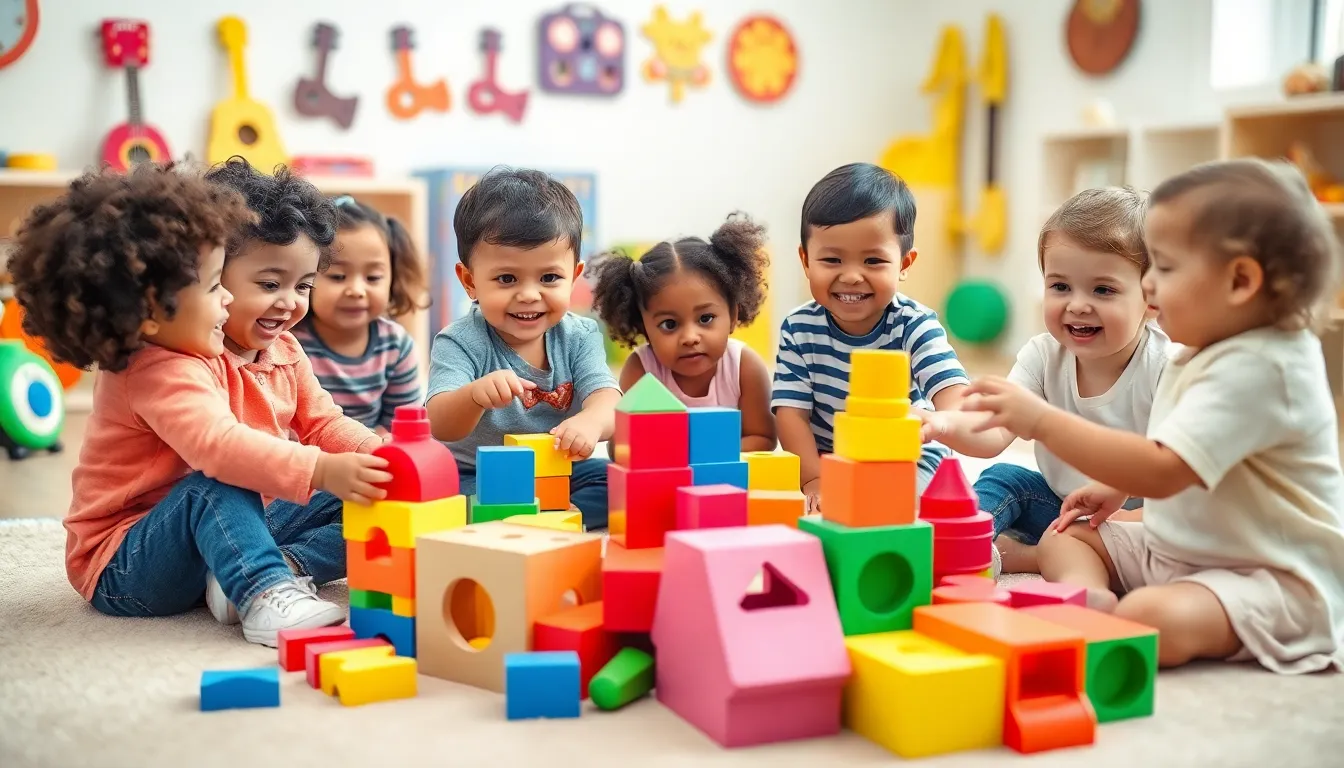
Various types of educational toys engage toddlers aged 2 to 3, making learning fun and interactive. These toys support developmental milestones while fostering creativity and critical skills.
Building Blocks
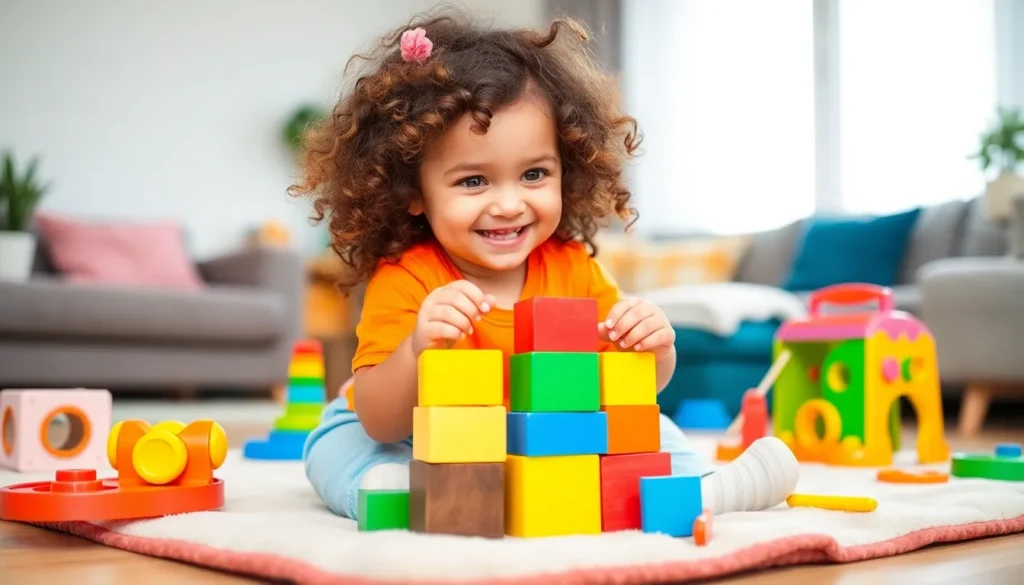
Building blocks remain a classic choice for enhancing fine motor skills. They encourage toddlers to stack, sort, and structure creations. Engaging with blocks helps develop spatial awareness and problem-solving abilities. Colorful designs stimulate visual recognition, while different shapes introduce basic mathematics. Encouraging imaginative play, these toys can help spark a child’s creativity.
Puzzles
Puzzles serve as excellent tools for cognitive development. They promote critical thinking and help children recognize patterns. When toddlers manipulate pieces, they improve hand-eye coordination and fine motor skills. Selecting simple puzzles with large, easily graspable pieces keeps frustration at bay. Completing a puzzle boosts self-esteem and nurtures patience in young children.
Shape Sorters
Shape sorters focus on teaching toddlers about shapes and sizes. Children enjoy figuring out where each shape fits, which enhances hand dexterity and cognitive skills. These toys also introduce concepts of classification and matching. Engaging with a variety of shapes fosters recognition, promoting language development as caregivers describe each piece. Shape sorters pave the way for essential problem-solving skills.
Musical Instruments
Musical instruments introduce toddlers to rhythm and sound. Engaging with instruments like drums or xylophones fosters auditory skills and encourages sensory exploration. Playing music promotes creative expression and enhances coordination. These toys invite imaginative play while also supporting social skills when children share and play together. Exploring melodies and beats can lay the foundation for a love of music.
Benefits Of Educational Toys For Toddlers Age 2-3
Educational toys offer numerous advantages for toddlers aged 2 to 3. They contribute significantly to early developmental stages, making them a worthy investment for parents.
Cognitive Development
Cognitive development thrives through engaging gameplay. Toys like puzzles stimulate critical thinking and problem-solving skills, encouraging toddlers to analyze and strategize. Interactive toys foster language acquisition, expanding vocabulary through play and conversation. Additionally, shape sorters introduce concepts of shapes and sizes, enhancing spatial awareness. The thoughtful selection of such educational toys paves the way for a solid foundation in early learning.
Physical Development
Physical development occurs with the right toys. Building blocks promote hand-eye coordination and fine motor skills as toddlers stack and balance pieces. Musical instruments enhance sensory experiences, allowing children to explore sound and rhythm. Manipulative toys like beads and lacing cards encourage dexterity through grasping and threading. Prioritizing these developmental toys ensures that toddlers gain essential physical skills during these crucial years.
Social Skills
Social skills blossom through group play and sharing. Engaging with peers using educational toys fosters cooperation, teamwork, and communication. Role-playing toys enable toddlers to engage in imaginative scenarios, promoting empathy and understanding of emotions. Playing alongside others also teaches turn-taking and patience, essential elements in developing social awareness. By surrounding children with such educational toys, parents help cultivate crucial interpersonal abilities.
Tips For Choosing The Right Educational Toys
Selecting the right educational toys involves several important factors. Parents must consider safety, age appropriateness, and durability to ensure that children receive the best possible learning experiences.
Safety Considerations
Safety stands as a top priority when choosing toys for toddlers. Non-toxic materials ensure that children stay safe during play. Additionally, sharp edges or small parts must be checked and avoided. Understanding industry safety standards offers further reassurance. Look for toys that carry relevant safety certifications, as these indicate thorough testing. Regular inspection can also help identify any wear and tear that might compromise safety.
Age Appropriateness
Age appropriateness plays a critical role in toy selection. Toys designed for toddlers aged 2 to 3 engage them effectively and support their development. Manufacturers often include age recommendations, which guide parents in making informed decisions. Selecting toys that challenge without overwhelming is key to encouraging growth and learning. Consider both the developmental milestones and interests of the child to ensure the chosen toys stimulate curiosity and creativity.
Durability
Durability is crucial when it comes to educational toys for active toddlers. Sturdy materials ensure that toys withstand rough handling during play sessions. High-quality construction provides longer-lasting enjoyment and value for families. Assessing product reviews can give insight into the durability of specific toys. Investing in well-built toys reduces waste and the need for frequent replacements, making it both cost-effective and environmentally friendly.
Choosing the right educational toys for toddlers aged 2 to 3 can significantly impact their growth and development. By focusing on toys that enhance cognitive skills, physical abilities, and social interactions, parents can create a rich learning environment. Prioritizing safety, age appropriateness, and durability ensures that these toys not only engage toddlers but also stand the test of time.
Investing in high-quality educational toys fosters curiosity and creativity, paving the way for a lifelong love of learning. With the right selection, playtime becomes an invaluable opportunity for toddlers to explore the world around them while developing essential skills.