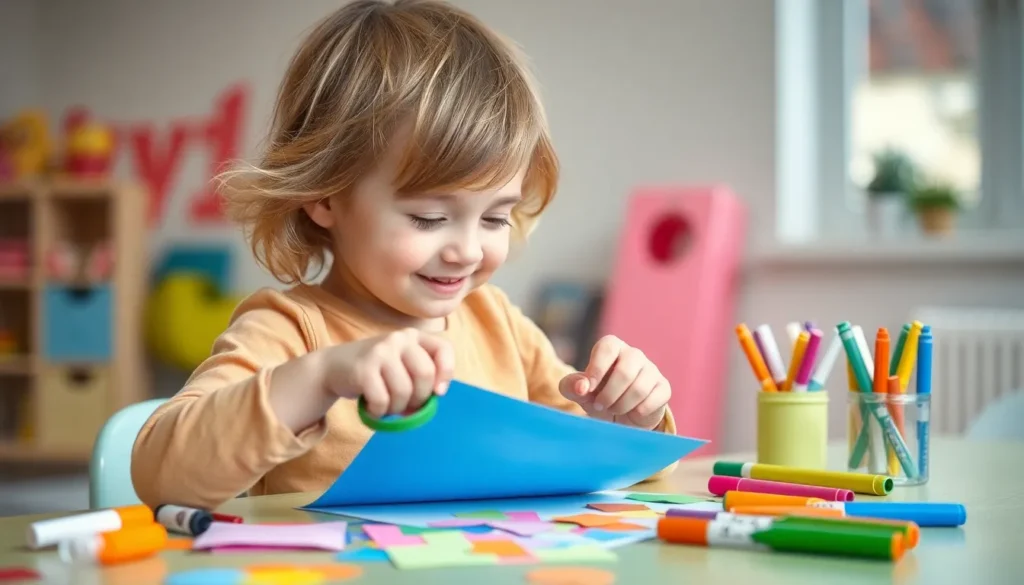

Crafting can ignite a child’s imagination and creativity, but safety is a top priority for parents. With the right tools, kids can explore their artistic side without the worry of accidents. Kid-safe crafting tools are designed to keep little hands safe while providing endless opportunities for fun and learning.
From scissors with rounded tips to non-toxic adhesives, these tools cater to young creators at every skill level. Parents can feel confident knowing their children can express themselves through art without compromising safety. This guide dives into the best kid-safe crafting tools available, ensuring that creativity flourishes in a secure environment.
Overview of Kid-Safe Crafting Tools
Kid-safe crafting tools play a crucial role in fostering creativity while ensuring a safe environment for children. The following list outlines essential tools designed specifically for use by kids:
- Rounded-tip scissors: These scissors reduce the risk of cuts. They enable children to cut paper and lightweight materials safely.
- Non-toxic adhesive products: These glues and pastes are safe for children’s use. Non-toxic formulations ensure that accidental ingestion poses minimal risk.
- Washable markers and paints: These art supplies wash out easily, minimizing permanent stains on skin or clothing. They encourage children to explore various colors without fear of mess.
- Child-sized paintbrushes: Designed for small hands, these brushes offer better control and comfort. Child-sized options help kids develop motor skills effectively.
- Safety craft knives: Some models feature retractable blades. These tools offer kids a controlled way to cut materials when supervised.
- Thicker yarn or string: Ideal for various crafting projects, thicker strands are easier for children to handle. They also help enhance fine motor skills during stringing activities.
- Crafting kits: Many kits include pre-approved materials and clear instructions. These kits create opportunities for guided exploration while prioritizing safety.
Selecting appropriate tools enhances artistic experiences for children. Ensuring these crafting tools are readily available promotes safe engagement in creative activities.
Importance of Safety in Crafting
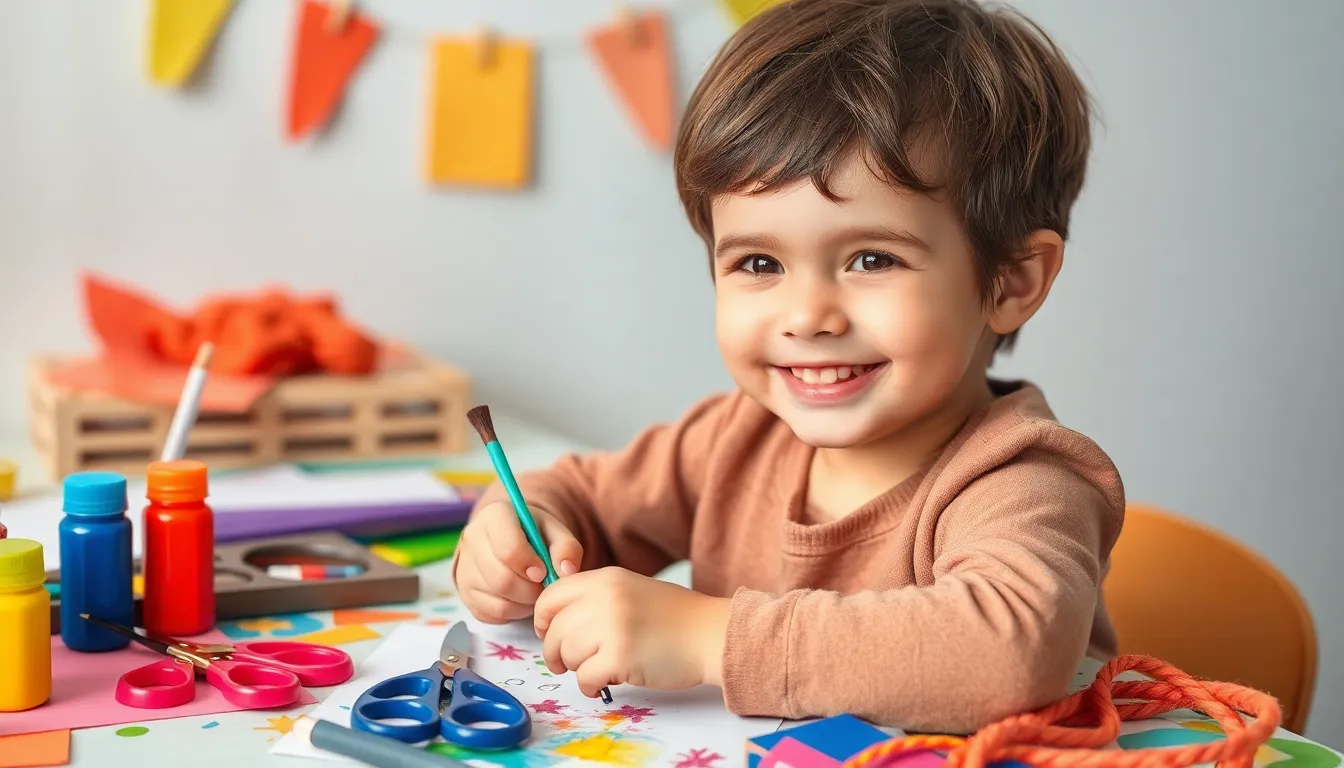
Safety plays a crucial role in children’s crafting activities. Selecting the right tools not only fosters creativity but also ensures a secure environment for artistic exploration.
Choosing the Right Tools for Kids
Choosing the right tools enhances safety during crafting activities. Parents should prioritize kid-safe options specifically designed for children. Tools like rounded-tip scissors prevent injuries by reducing the risk of cuts. Non-toxic adhesives minimize health hazards associated with ingestion. Washable markers and paints easily clean up, protecting surfaces and preventing stains. Child-sized paintbrushes offer better control, while safety craft knives with retractable blades allow for supervised use. Thicker yarn provides easier handling for young children. Crafting kits contain pre-approved materials and clear instructions, ensuring a safe crafting experience.
Age Appropriateness of Tools
Age appropriateness of tools ensures that children engage safely with crafting activities. Tools must align with children’s developmental stages. For toddlers, users can select larger, easier-to-handle scissors and soft, washable crayons. Preschool-age children benefit from rounded scissors and non-toxic paint that encourages free expression without danger. School-age children can handle more complex tools, such as safety knives with adult supervision. Parents should always read manufacturer guidelines regarding age recommendations to ensure suitable tools for children’s specific abilities.
Types of Kid-Safe Crafting Tools
Kid-safe crafting tools provide children with opportunities to create while ensuring their safety. These tools encompass a variety of categories, including scissors, adhesives, and writing instruments.
Scissors and Cutting Tools
Rounded-tip scissors feature safety tips that significantly reduce the risk of cuts. Child-sized scissors are designed for smaller hands, making them easy to grip and control. Safety craft knives with retractable blades offer a more advanced cutting option but must always be used with adult supervision. These tools enable children to explore their cutting skills securely while fostering fine motor development.
Adhesives and Glues
Non-toxic adhesives are essential for kids’ crafting projects, as they minimize ingestion risks. Washable glue sticks provide mess-free application and easy clean-up, ensuring a stress-free crafting experience. Look for adhesives specifically labeled as kid-safe to guarantee safety during use. These adhesives encourage children to experiment with various materials without exposing them to harmful chemicals.
Markers and Paints
Washable markers and paints help prevent permanent stains on skin and surfaces. Non-toxic options ensure that kids can express creativity without harmful effects. Specially designed thicker markers facilitate better handling and control, especially for younger children. Paints in easy-to-use containers further enhance the crafting experience by offering vibrant colors without the risk of toxicity or lasting damage.
Tips for Encouraging Safe Crafting
Encouraging safe crafting involves active supervision and a well-prepared environment. Parents can implement specific strategies to ensure children enjoy their creative activities safely.
Supervision and Guidance
Supervision plays a crucial role in ensuring safety during crafting. Adults should remain within sight and hearing distance while children craft. Offering guidance helps children use tools correctly and safely. Engage with them by demonstrating techniques and reminding them of safe practices, such as cutting away from the body and using tools only for their intended purposes. Discussing potential hazards and establishing clear rules regarding tool use can prevent accidents. By maintaining an open line of communication, parents can address questions and concerns promptly.
Creating a Safe Crafting Environment
A safe crafting environment encourages creativity while minimizing risks. Designate a specific crafting space that is free from clutter, away from sharp objects, and contains all necessary supplies. Provide child-sized tables and chairs to promote comfortable crafting. Ensure adequate lighting to enhance visibility. Store crafting tools and materials in clearly labeled containers to prevent accidental spills and misuse. Using protective coverings on surfaces protects against stains, and employing aprons or smocks keeps clothing clean. Regularly inspecting tools and materials for damage helps maintain a safe crafting space.
Choosing the right crafting tools is essential for ensuring a safe and enjoyable experience for children. By selecting kid-safe options like rounded-tip scissors and non-toxic adhesives, parents can foster creativity while minimizing risks. Active supervision and a well-prepared crafting environment further enhance safety, allowing kids to explore their artistic talents confidently.
Encouraging creativity in a secure setting not only boosts children’s confidence but also strengthens their fine motor skills and problem-solving abilities. With the right tools and guidance, crafting can become a delightful bonding activity that nurtures imagination and self-expression. Prioritizing safety ensures that crafting remains a fun and enriching experience for young artists.