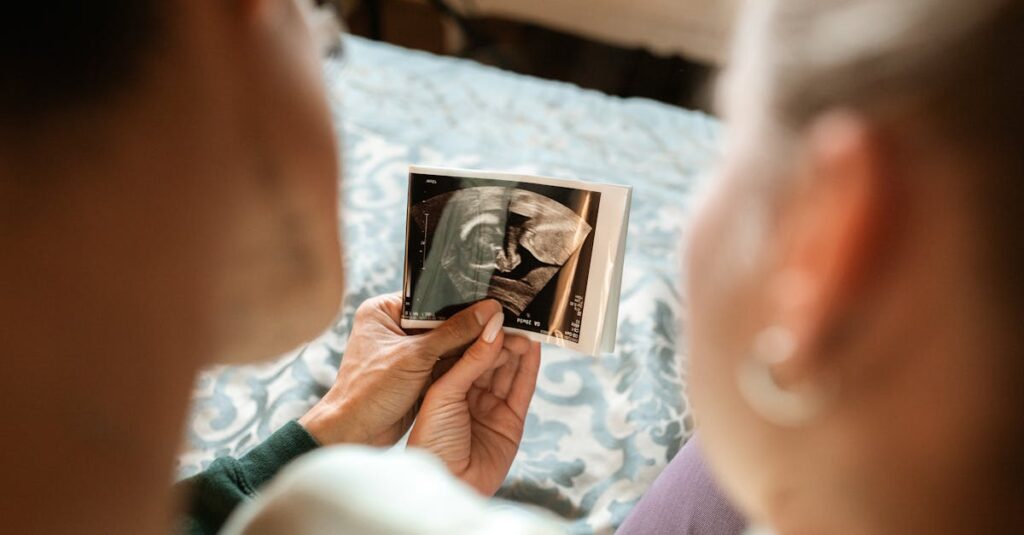

Navigating the journey of trying to conceive (TTC) after a miscarriage can feel like trying to find a unicorn in a haystack. It’s a mix of hope, uncertainty, and a sprinkle of “Why me?” But fear not, because many have walked this path and emerged stronger, wiser, and maybe even with a few more dad jokes in their arsenal.
Understanding the emotional and physical aspects of TTC after a loss is crucial. It’s not just about timing and ovulation; it’s about healing, both body and soul. So grab a cozy blanket, a cup of herbal tea, and let’s dive into the essentials that can help turn this rollercoaster ride into a journey filled with hope and laughter. After all, every great story has its ups and downs, and this chapter is just the beginning.
Table of Contents
ToggleUnderstanding Miscarriage
Miscarriage represents a significant emotional and physical experience. Grasping its nuances aids in navigating the journey of trying to conceive afterward.
Types of Miscarriages
Several types of miscarriages exist, including spontaneous and recurrent miscarriages. Spontaneous miscarriage refers to loss occurring without intervention, often before the 20th week of pregnancy. Recurrent miscarriage happens when a woman experiences two or more consecutive losses. Ectopic pregnancy involves the implantation of the embryo outside the uterus, often leading to severe complications. An incomplete miscarriage occurs when some pregnancy tissue remains in the uterus. Each type impacts women differently, making understanding crucial for healing and moving forward.
Emotional Impact of Miscarriage
The emotional impact of miscarriage can profoundly affect individuals. Grief often surfaces, resulting in feelings of sadness, anger, and anxiety. Many experience a sense of loss that may persist long after the event. Some women report feeling isolated, believing others may not understand their pain. Support groups and counseling can provide valuable outlets for expression and healing. Acknowledging these feelings aids in the journey toward emotional recovery. Each person’s experience is unique, leading to varied responses during the healing process.
The Importance of Time
Timing plays a crucial role in the journey of trying to conceive after a miscarriage. Understanding the appropriate waiting period and recovery factors can significantly impact emotional and physical healing.
Waiting Period After Miscarriage
A standard recommendation for a waiting period after a miscarriage is about three months. This timeframe allows the body to heal and for menstrual cycles to normalize. Many healthcare providers suggest waiting until after the first period post-miscarriage before actively trying to conceive again. This approach provides both physical recovery and the emotional space necessary for grieving. Individual readiness may vary, as some may feel prepared sooner or require more time.
Factors Influencing Recovery Time
Several factors determine recovery time following a miscarriage. Age plays a significant role, as younger women tend to recover more quickly. Additionally, the type of miscarriage affects emotional and physical healing. Women with recurrent miscarriages often face prolonged recovery periods due to compounded grief. Medical history, including any underlying health issues, also influences recovery time. Emotional support from partners, friends, and support groups can facilitate healing significantly, fostering a nurturing environment during this sensitive time.
Preparing for TTC After Miscarriage
Preparing for trying to conceive again after a miscarriage involves both physical and emotional aspects. Each plays a vital role in the journey ahead.
Physical Health Considerations
Physical health impacts fertility and the chances of a healthy pregnancy. Maintaining a balanced diet rich in nutrients is essential for recovery. Regular exercise helps improve overall well-being and can assist in managing stress. Consulting with a healthcare provider can guide necessary medical evaluations, such as blood tests or prenatal vitamins. Understanding the body’s healing timeline is crucial, as individual recovery varies. Weight management should be a focus, as both underweight and overweight conditions can affect fertility negatively. Finally, any underlying medical conditions need attention before attempting to conceive.
Emotional Readiness for Pregnancy
Emotional readiness often dictates the success of the TTC journey after a miscarriage. Grieving is a natural process and may linger for many individuals. Seeking support from loved ones or professionals can provide valuable perspectives. Journaling feelings helps many document their experiences, allowing for deeper understanding and healing. Recognizing signs of anxiety or depression is essential, as these can impact mental health and future pregnancies. Building a support network offers the comfort needed during this time of vulnerability. Each individual has a unique timeline for emotional readiness; patience is key to navigating this path.
Strategies for Successful TTC After Miscarriage
Successful TTC after miscarriage involves various strategies to support both emotional and physical readiness. Each individual can benefit from a tailored approach that addresses their unique circumstances.
Monitoring Ovulation
Tracking ovulation enhances chances of conception. Various methods exist for monitoring ovulation, including ovulation predictor kits, basal body temperature charting, and cervical mucus observation. Ovulation predictor kits measure hormones in urine to identify peak fertility days. Basal body temperature charting requires daily temperature tracking upon waking, showing slight increases around ovulation. Observing changes in cervical mucus can also indicate fertile windows, as it becomes stretchy and clear during ovulation. Utilizing these methods can aid in identifying optimal times for conception, empowering individuals to take control of their fertility journey.
Seeking Professional Guidance
Consulting healthcare providers plays a vital role in TTC after a miscarriage. A medical professional can evaluate individual health, with attention to factors such as hormonal balance, reproductive health, and overall wellness. Blood tests, ultrasounds, and other assessments help identify any underlying issues. Seeking guidance from a fertility specialist might also provide additional insights and personalized recommendations. Attending regular appointments ensures individuals stay informed about their bodies and can make educated decisions moving forward. Emotional counseling may complement medical support, helping to navigate the psychological aspects of the TTC journey.
Conclusion
Navigating the journey of trying to conceive after a miscarriage is deeply personal and often complex. It’s vital to prioritize both emotional and physical healing during this time. Each individual’s path is unique and requires patience and understanding.
Embracing hope and seeking support can transform this experience into one of growth and resilience. By focusing on personal readiness and maintaining open communication with healthcare providers, individuals can empower themselves in their TTC journey. Remember that healing takes time and it’s okay to seek help along the way. With the right support and a tailored approach, the dream of parenthood can still flourish.